Dungeonbound Complete Guide: Systems and Overview
Complete guide to Dungeonbound covering game modes, the run loop, backpack grid, speed turn order, heroes, items, relics, dungeons, and co-op.
Dungeonbound is a first-person dungeon crawler where combat resolves automatically. Attacks, counters, dodges, critical strikes, and status conditions execute automatically during combat rounds displayed through a retro pixel CRT filter. Players can adjust combat animation speed during encounters, and the game includes native controller functionality. Before heading into deeper chambers, players can consult our Dungeonbound Beginners Guide: Core Mechanics and Tips for foundational mechanics.
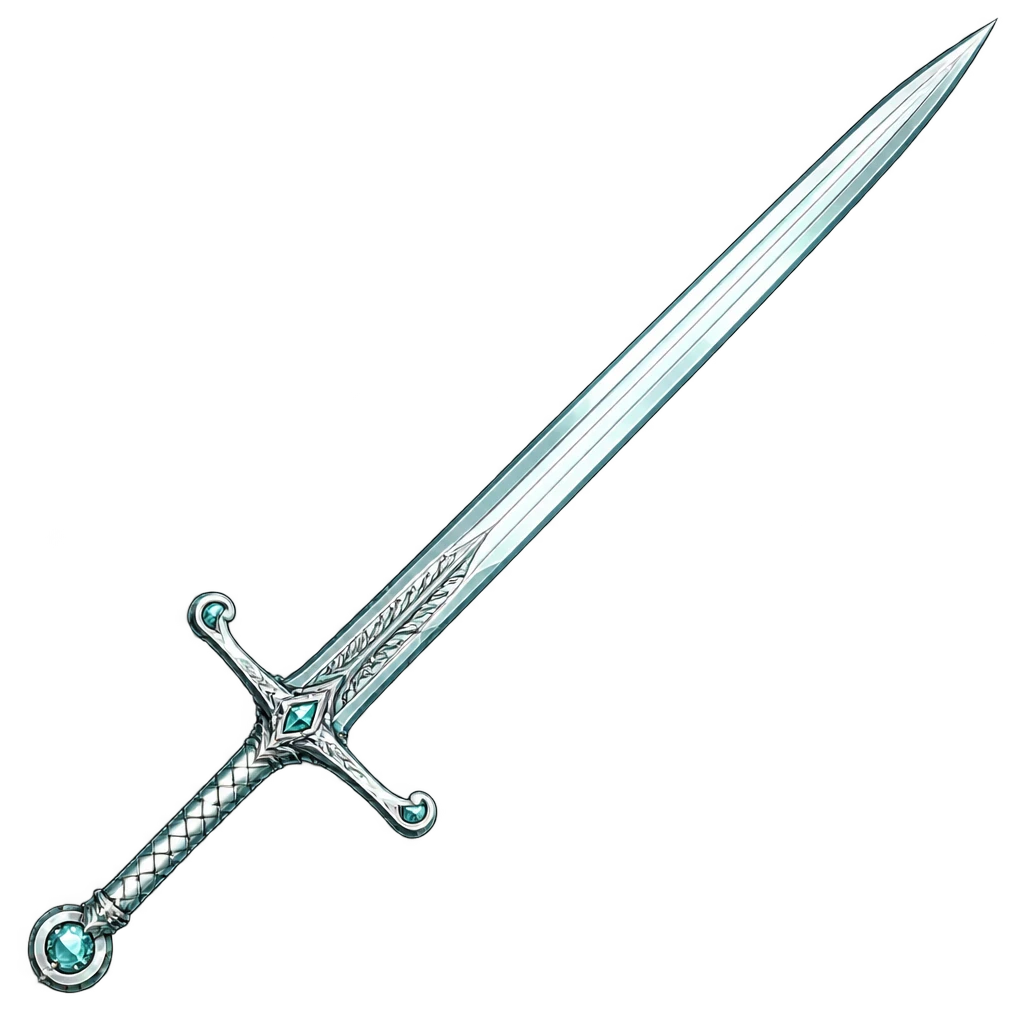
Table of Contents
- Game Modes and Descent Styles
- The Dungeon Descent Loop
- Backpack Grid and Equipment Placement
- Combat Resolution and Speed Turn Order
- Hero Classes and Subclasses
- Equipment Rarities and Relics
- Item Merging and Forging
- Dungeon Descents and Boss Encounters
- The Daily Delve Challenge
- Cooperative Multiplayer Climbs
- Core Systems Summary
Game Modes and Descent Styles
The game provides three main formats: an incremental campaign, a roguelike climb against builds created by other adventurers, and multiplayer cooperative climbs. The campaign mode, titled The Long Haul, features 7 characters who retain separate gold reserves, experience levels, and talent purchases. Investments made into one adventurer never reduce or overwrite progress earned on another member of the roster. Defeat in the campaign pushes you back by floors rather than wiping away hours of time. Returning heroes keep accumulated gold, levels, and unlocked abilities to prepare for another descent. Our dedicated Dungeonbound Game Modes: Campaign, Climb, and Co-op outlines how each mode manages progression.
The Dungeon Descent Loop
Floors consist of winding torchlit corridors containing combat encounters, treasure chests, shops, and shrines.

Visiting home base lets players invest acquired gold into permanent upgrades, organize inventory layouts, and step back into the dungeon stronger. In roguelike climbs, each floor presents vendor items, hostile monsters, shrines, and opposing player builds standing in your path.
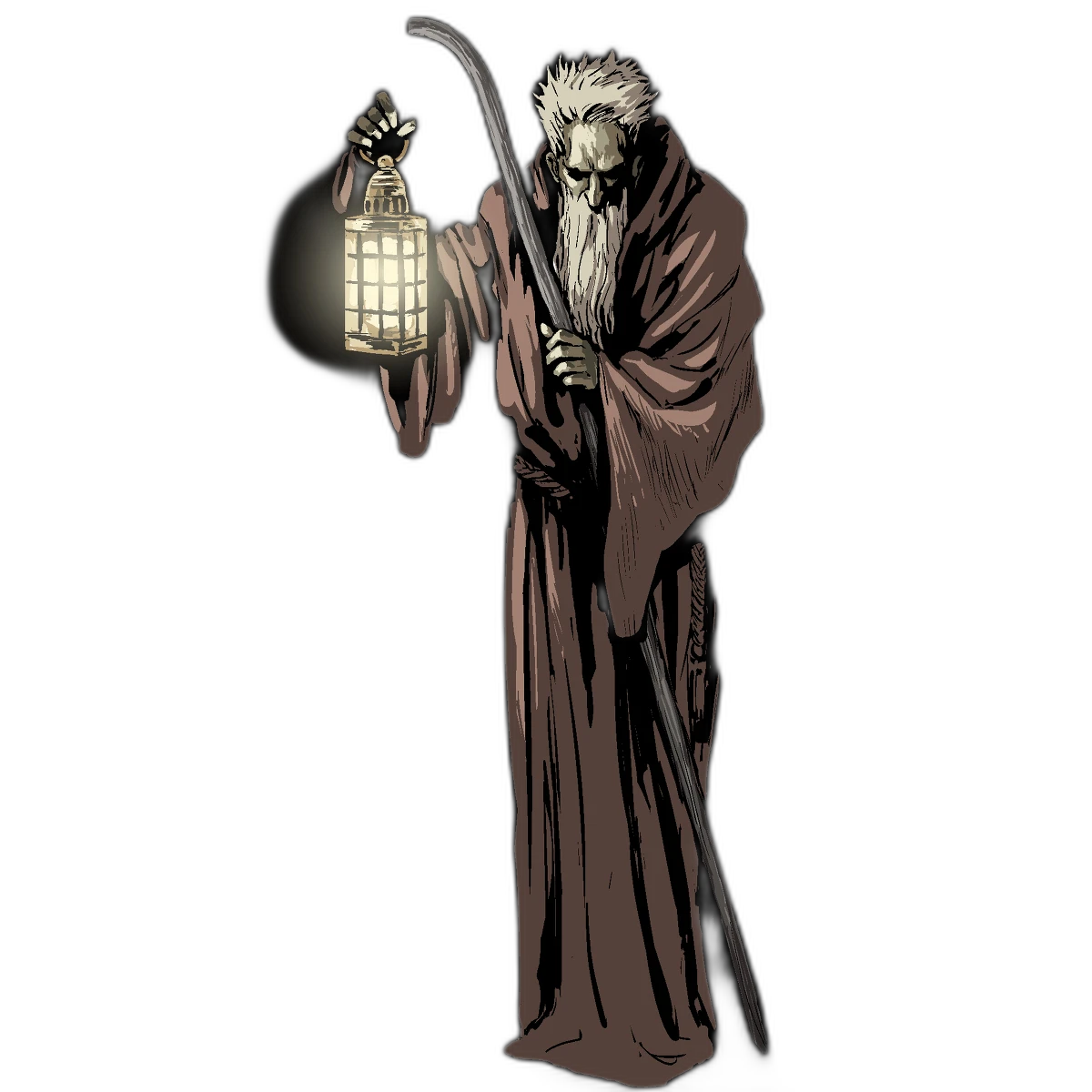
Climb runs grant five hearts and allow players to choose one relic among three options on each of the first five floors. Losing every heart terminates the active run and dismantles the active build. Competitive rank stands as the single progression element preserved after a climb concludes. During ranked descents, reaching floor 8 grants a promotion, whereas failing a climb leads to demotion. Multiplayer climbing operates as an asynchronous mode. Clearing a floor saves your current equipment layout into the community pool to challenge future players.
Backpack Grid and Equipment Placement
Dungeonbound replaces traditional fixed equipment slots with freeform placement.
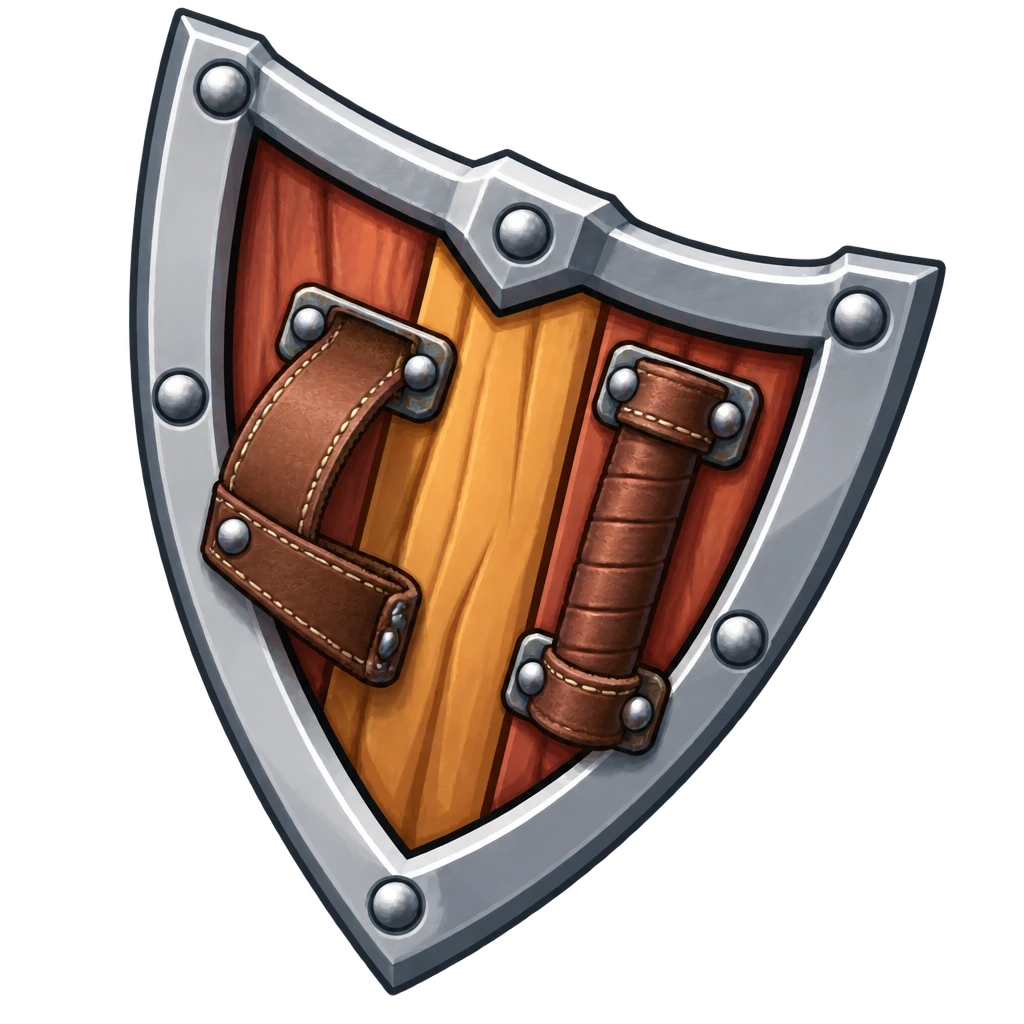
Adjacencies directly influence item performance because items alter or enhance neighboring gear that they touch. Runic tiles positioned across the board grant additional strength to any items resting above them. Learn spatial synergy techniques in our Dungeonbound Item Rarities and Backpack Grid to optimize board layout.
Combat Resolution and Speed Turn Order
Action cadence relies entirely on speed, granting fast combatants priority initiative and additional attack opportunities against sluggish adversaries.
Each strike initiates a sweep around the inventory board, triggering every item lying in its path.
Engagements incorporate dodge rolls, critical hits, blocking, excess damage spilling onto subsequent ranks, and varied status ailments.
Afflictions including  Poison,
 Burn,
 Bleed,
 Freeze, and
 Stun maintain independent timer cycles and stack intensity.
Refer to our Dungeonbound Status Effects Guide for full details on affliction scaling.
Hero Classes and Subclasses
The campaign features seven primary heroes: the  Warrior,
 Mage,
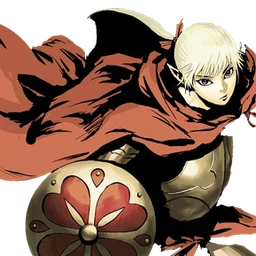 Rogue,
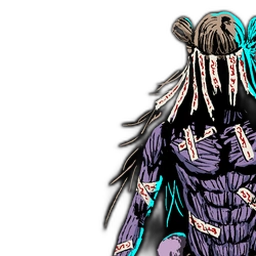 Monk,
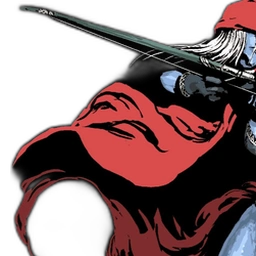 Archer,
 Alchemist, and Paladin.
Over 400 persistent upgrades span Damage, Defense, Sustain, Economy, and Unlock talent trees across these campaign classes.
The Mage chooses between Lightning, Frost, or Fire specializations, retaining separate talent investments across all three paths.
The Alchemist focuses on concocting and combining consumable potions during adventures.
The Paladin regenerates health throughout combat while dealing boosted damage through holy equipment.
The roguelike Climb mode features 32 unlockable heroes.
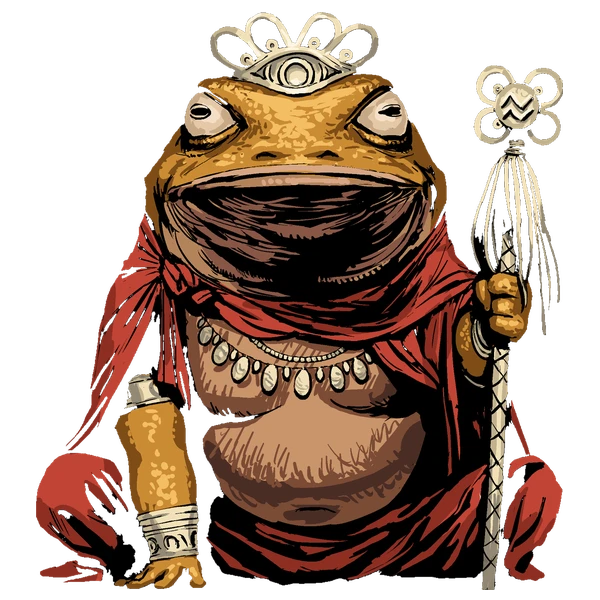
For example, the specialist 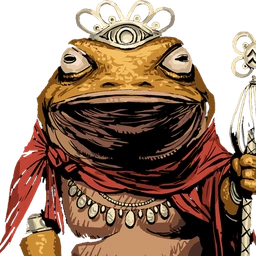 Albus enters runs with 481 health and 12 attack.
Another specialist,
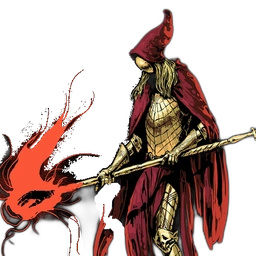 Flame Knight, begins with 370 health and 16 attack.
Read our Dungeonbound Heroes List: Campaign and Climb Roster for full attribute charts.
Equipment Rarities and Relics
The dungeon holds more than 540 items categorized into five distinct rarity tiers. Items drop from standard monsters, elite guards, and floor bosses, offering scaling attributes linked to missing health, gold, or luck. Cursed equipment supplies generous benefits balanced by notable penalties. During roguelike climbs, 90 relics significantly alter run mechanics and modify rule sets. Check our Dungeonbound Relics Explained Guide to see which relics best match your character kit.
Item Merging and Forging
Acquiring duplicate equipment provides value by merging two identical pieces together up to level 10. At the forge, any two pieces combine into a hybrid item that inherits abilities from both parents. Over 100,000 fusion combinations exist before accounting for secondary fusions and subsequent level upgrades. Players can also craft custom gear via the Item Workshop and share creations with the broader community. Our Dungeonbound Merge and Forge Guide explains recipes and forge prioritization.
Dungeon Descents and Boss Encounters
Over 240 hand-painted adversaries roam the depths, accompanied by 49 elite guardians and 17 dungeon bosses. Hostile traits include reactive thorns, berserkers gaining attack power over time, life-stealing monsters, and thieves snatching gold.
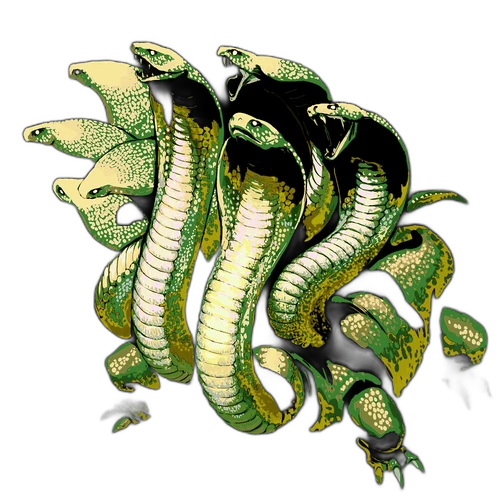
The elite foe  Great Serpent possesses 60 health and 18 speed.
Five standard dungeon descents challenge adventurers alongside a daily changing run.
The Mudking Warrens descent is populated by kobolds, orcs, and brutefolk.
This first dungeon consists of 5 floors.
The Bonevault Crypts descent features restless undead, curses, and chilling cold.
The crypt dungeon spans 5 floors.
The Chittering Deep features beasts possessing massive health reserves.
The Chittering Deep encompasses 6 floors.
The Infernal Court descent challenges players with hard-hitting demons that inflict fire and critical strikes.
The Infernal Court encompasses 6 floors.
The Wyrmroost holds dragons waiting at the bottom.
The Wyrmroost descent extends across 7 floors.
Explore our Dungeonbound Dungeons and Bosses Guide for enemy move patterns.
The Daily Delve Challenge
The Daily Delve offers a shared daily seed, starter hero, and gold pouch for all participating players. Each morning introduces three new modifiers drawn fresh for the daily climb. The mode scales continuously beyond normal survival limits to test how deeply players can descend. Consult our Dungeonbound Daily Climb: Modifiers, Seed and Death to review score targets and rotation schedules.
Cooperative Multiplayer Climbs
The Co-op Climb enables 2 to 4 adventurers to form a party and explore together. Each participant controls their own hero, personal gold pouch, and shop selection while sharing five team hearts. Team members step into battles sequentially, spectating live fights and rolling dice to distribute monster loot. Players can place equipment onto a partner’s board, utilizing specialized cooperative gear that rewards passing items. Opposing encounters feature complete parties assembled from climbs completed by other players, and cooperative leaderboards track teams of two, three, and four. Check our Dungeonbound Co-op Guide: Lobbies, Hearts and Trading for party composition advice.
Core Systems Summary
The following breakdown summarizes core structures, progression carryover, and heart systems across Dungeonbound game modes.
| Mode | Heroes Available | Heart Pool | Floor Progression | Progression Retained |
|---|---|---|---|---|
| Incremental Campaign | 7 primary heroes | None (floor setback) | 5 to 7 floors per dungeon | Gold, levels, and permanent upgrades |
| Roguelike Climb | 32 unlockable specialists | 5 shared hearts | Variable floors | Competitive rank |
| Daily Delve | Single rotating hero | 5 shared hearts | Infinite scaling | Daily leaderboard ranking |
| Cooperative Climb | 2 to 4 player party | 5 team hearts | Variable floors | Team leaderboard ranking |
Sources
- Steam store page (appid 5200620)
- Game files of the Dungeonbound demo
- Steam announcement v0.1.58