Dungeonbound Items and Synergies Guide
Explore Dungeonbound equipment systems: rarities, shapes, adjacency rules, set bonuses, trigger order, gems, forging, and tag synergy tables.
Guide Contents
- System Overview
- Equipment Rarities
- Equipment Slots
- Backpack Shapes
- Adjacency Rules
- Trigger Order
- Socketed Gems
- Duplicate Merging
- Fusion Forging
- Set Bonuses
- Tag Synergies
System Overview
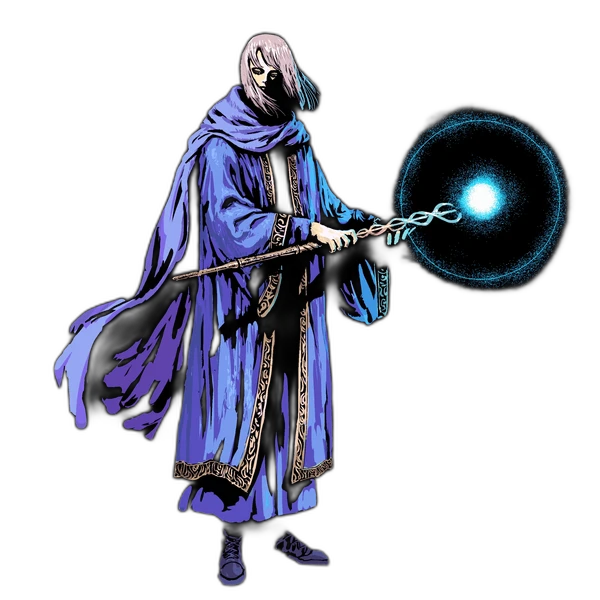 Dungeonbound features an inventory management system without fixed gear slots.
Every item occupies a physical shape upon the backpack grid where placement alterations modify functionality.
Specialized runic tiles embedded throughout the bag enhance any piece resting across their bounds.
Mastering item rarities, shapes, adjacency synergies, set tags, socketed gems, and forge upgrades allows delvers to assemble coordinated loadouts for deep dungeon runs.
Equipment Rarities
Equipment in Dungeonbound is categorized across five distinct rarity grades comprising Common, Uncommon, Rare, Epic, and Legendary quality. Delvers can collect over 540 pieces across five rarity tiers by defeating regular foes, elite monsters, and bosses throughout dungeon runs. Discovered treasures include weapons that scale with missing health or gold, equipment scaling with luck, combat potions, and cursed pieces providing great fortunes alongside real drawbacks. Recent updates reclassified approximately 30 items to align with their power levels and renamed 17 pieces. Delvers can review our Dungeonbound Item Rarities and Backpack Grid for additional details on item rarity mechanics.
Equipment Slots

Items belong to nine primary equipment categories including Weapon, Shield, Helmet, Chest, Pants, Necklace, Earring, Ring, and Trinket slots.
Bows, claws, and specialized archer gear can be equipped by every hero class without restrictions.
All weapon categories are accessible to casters, unarmed combatants, and the  Archer.
Merchant shelves lean toward your active class archetype, with 25% of shop items matching your hero type.
Backpack Shapes
Equipment footprints utilize geometric tile configurations including 1x1, 1x2, 1x3, 1x4, and custom multi-cell shapes.
Large weapons and heavy armor occupy specialized contours like the 6-cell sword arrangement and 11-cell plate armor footprint.
Smaller accessories fit narrow sections of your bag, such as the two-cell footprint of the  Adder Ring.
Updated item silhouettes were assigned to pieces including the
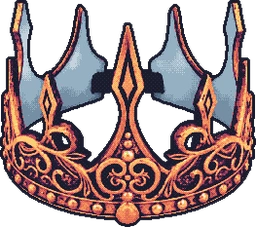 Warlord’s Crown,
 Chaos Orb, and
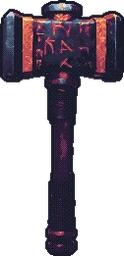 Titan’s Maul.
Adjacency Rules
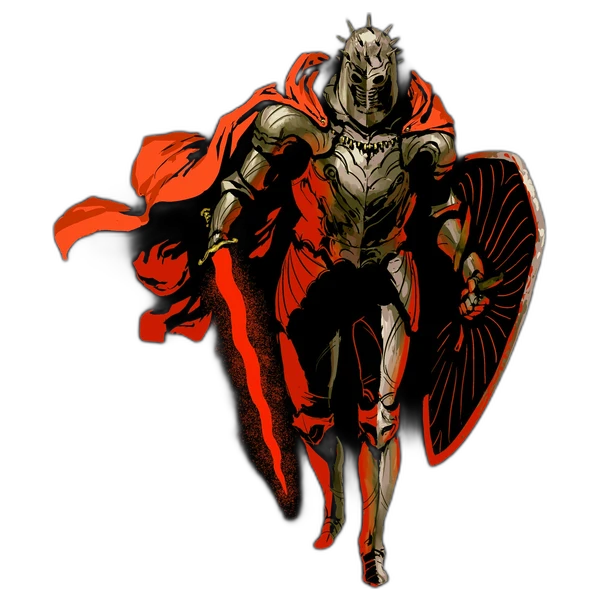
Placement positioning directly determines how nearby equipment interacts on the backpack grid.
Certain items grant additional Multicast charges to neighboring gear placed directly adjacent to them.
Protective gear can provide permanent bonus Block to touching pieces upon trigger.
Support equipment can bestow  Haste upon both the bearer and adjacent items simultaneously.
Arranging high-impact weapons beside amplifying accessories maximizes damage output during prolonged battles.
Trigger Order
Combat operates through speed-driven rounds where character speed governs initiative and action pacing. Each attack action sweeps a lap around the backpack grid, activating every equipped item along the route. Because attack sweeps travel across the grid in sequence, item positioning influences combat performance just as significantly as raw stats. Automated combat resolves strikes, dodges, critical hits, counterattacks, and status ticks independently during speed-driven turns. Timed pieces trigger at fixed cooldown intervals independently of turn attacks.
Socketed Gems
Socketing status gems into open equipment slots allows a single item trigger to inflict  Bleed,
 Poison, and
 Burn simultaneously.
Socketing a Common Ruby gem grants +1 Dmg to the host piece.
Socketing
 Chronite reduces item cooldowns by flat seconds.
The
 Echo Crystal gem provides additional Multicast and is no longer restricted to a cap of four activations.
The rare
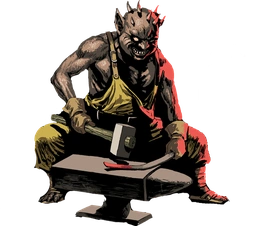 Gemcutter’s Bench reappears when an equipped item has filled every available gem socket.
Duplicate Merging
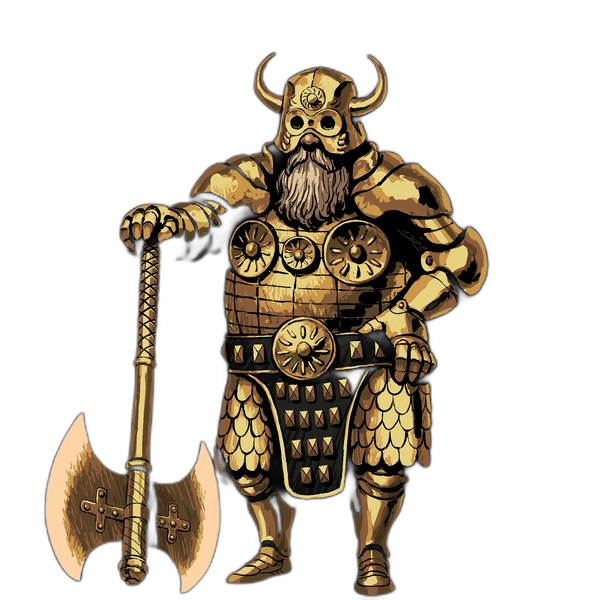
Duplicate items can be combined on the grid to create upgraded variants reaching up to level 10. Dropping two matching potions onto one another upgrades the potion into a higher tier. At level 10, an upgraded item like the Adder Ring can inflict up to 11 Poison per trigger. Review our Dungeonbound Merge and Forge Guide for complete duplicate combination strategies.
Fusion Forging
Players can fuse any two equipment items at the forge to create a hybrid item combining abilities from each component. The forge system yields over 100,000 potential combinations before accounting for subsequent hybrid fusions and level upgrades. While uncommon on the first floor, fusion forges appear most frequently across floors 2 and 3. Delvers will find mega forges appearing consistently upon reaching floors 5 and 10. When creating fused or mega-forged gear, socketed gems from both parent pieces migrate to the resulting equipment, which keeps solely its own sockets. Crafting previews highlight the resulting equipment alongside its fusion trait, noting whenever a rare result confers +1 Multicast. Combining two timed items synchronizes both effects under a single shared timer. Gold and experience potions cannot be fused into equipment pieces.
Set Bonuses
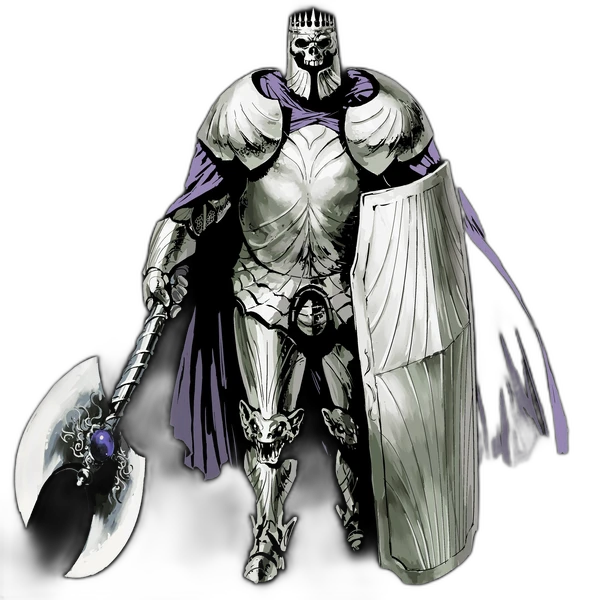
Equipping items that share matching tags activates set bonuses in accordance with game rules. Activating a set bonus tier requires equipping 4, 6, or 8 items bearing the matching tag. Delvers can inspect complete bonus effects and scaling tiers across all 16 tag sets in our dedicated set bonuses directory.
Tag Synergies
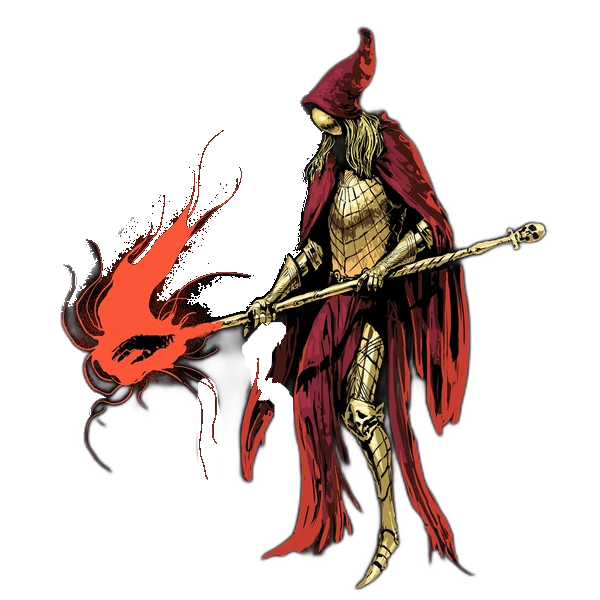
Tag synergies govern build customization across all 16 item tags in Dungeonbound. The following breakdown details equipment items carrying each tag, including active perks and representative armaments. Delvers should balance defensive and offensive item tags when designing setups for difficult boss encounters. Explore our Dungeonbound Heroes List: Campaign and Climb Roster and Dungeonbound Status Effects Guide to identify class affinities and synergistic debuff builds.
- Arcane Tag: Grants +10% of base Dmg, +6% Crit, and +6% Dodge across 4, 6, and 8 pieces, featuring 117 items such as
 Apprentice Wand,
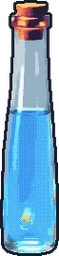 Aqua Vitae,
 Arcane Dagger, and
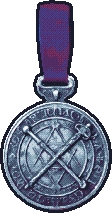 Arcanist’s Oath (
 view all 117 Arcane items).
- Beast Tag: Grants +5% Crit, +1 Speed, and +2% Speed across 4, 6, and 8 pieces, featuring 50 items such as
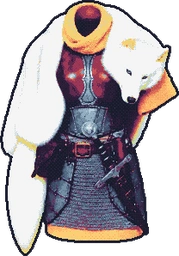 Alpha Pelt,
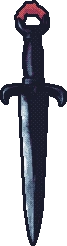 Barbed Throwing Knife,
 Beastcaller’s Totem, and
 Bone Talons (
 view all 50 Beast items).
- Demon Tag: Grants +3 Dmg, +6% of base Dmg, and +5% Crit across 4, 6, and 8 pieces, featuring 14 items such as
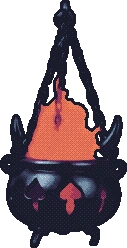 Brimstone Censer,
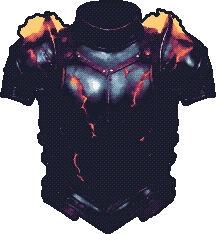 Brimstone Mail,
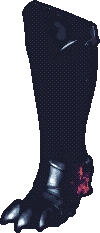 Cinderhoof Greaves, and
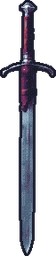 Hellbrand Saber (
 view all 14 Demon items).
- Dragon Tag: Grants +12% of base Dmg and +5% Crit across 4, 6, and 8 pieces, featuring 29 items such as
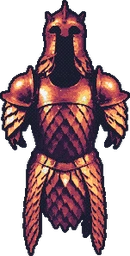 Ancient Scaleplate,
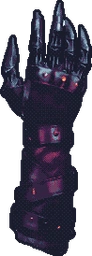 Apocalypse Fang,
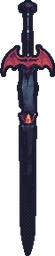 Crownbreaker, and
 Dragonfang Bow (
 view all 29 Dragon items).
- Earth Tag: Grants +3 Block, +15% of base Block, +12% of base Max HP, and +1 healing per Regen stack across 4, 6, and 8 pieces, featuring 108 items such as
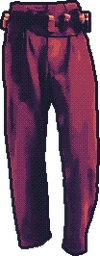 Alchemist’s Sash,
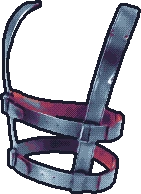 Atlas Brace,
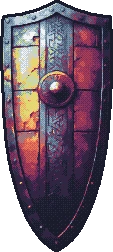 Bastion of Ages, and
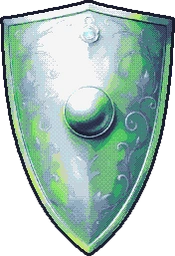 Bramble Shield (
 view all 108 Earth items).
- Fire Tag: Grants +10% chance to inflict Burn on hit across 4, 6, and 8 pieces, featuring 59 items such as
 Ashen Heart,
 Blazing Cudgel,
 Bramble Crown, and Brimstone Censer (
 view all 59 Fire items).
- Frost Tag: Grants +10% chance to inflict Freeze on hit across 4, 6, and 8 pieces, featuring 43 items such as
 Chillbark Staff,
 Crown Shard,
 Endless Winter, and
 Frost Flask (
 view all 43 Frost items).
- Haunted Tag: Grants +2 Dmg, +4% of base Dmg, +6% chance to inflict Terror on hit, and +3% damage vs terrified foes across 4, 6, and 8 pieces, featuring 57 items such as
 Barbed Bat,
 Bat Wings,
 Bone Blade, and
 Butcher’s Cleaver (
 view all 57 Haunted items).
- Holy Tag: Grants +10% chance to cleanse all ailments after battle and +4% Luck across 4, 6, and 8 pieces, featuring 67 items such as
 Aegis Elixir,
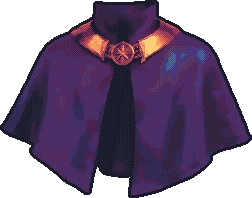 Archmage’s Mantle,
 Archon’s Staff, and
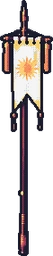 Banner of the Band (
 view all 67 Holy items).
- Lightning Tag: Grants +8% Multi Trigger across 4, 6, and 8 pieces, featuring 32 items such as
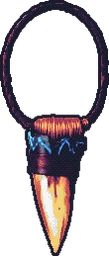 Arcing Fang,
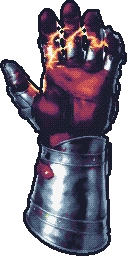 Chain Lightning Gauntlet,
 Citrine Earring, and
 Twin Bow (
 view all 32 Lightning items).
- Metal Tag: Grants +8% Block Chance, +3 Block, and +10% of base Block across 4, 6, and 8 pieces, featuring 91 items such as
 Shieldheart Ring,
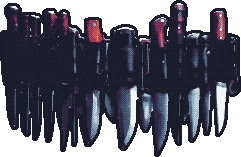 Arsenal Belt,
 Ashigaru Yari, and Atlas Brace (
 view all 91 Metal items).
- Neutral Tag: Grants +1 Dmg, +10 Max HP, +1 Block, and +3% of base Dmg, Max HP and Block across 4, 6, and 8 pieces, featuring 69 items such as
 Ashwood Longbow,
 Tattered Tunic,
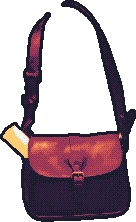 Courier’s Satchel, and
 Crusade Ribbon (
 view all 69 Neutral items).
- Poison Tag: Grants +10% chance to inflict Poison on hit across 4, 6, and 8 pieces, featuring 40 items such as Adder Ring,
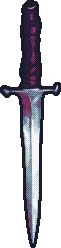 Adderfang Dagger,
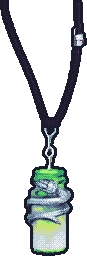 Antivenom Charm, and
 Blight Censer (
 view all 40 Poison items).
- Undead Tag: Grants +4 Thorns and +4% of base Max HP as Thorns across 4, 6, and 8 pieces, featuring 27 items such as
 Blightheart,
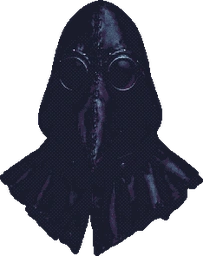 Gravemoss Hood,
 Blood Fang Charm, and
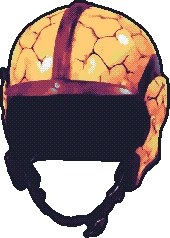 Bone Helm (
 view all 27 Undead items).
- Vampiric Tag: Grants +2 Dmg, +5% of base Dmg, and +10% Lifesteal across 4, 6, and 8 pieces, featuring 44 items such as
 Arena Blade,
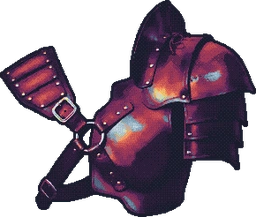 Arena Plate, Bat Wings, and
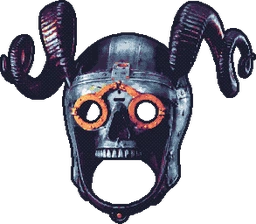 Berserker Helm (
 view all 44 Vampiric items).
- Wind Tag: Grants +2 Speed and +4% Speed across 4, 6, and 8 pieces, featuring 52 items such as
 Arrow Pouch, Ashigaru Yari,
 Hourglass of Borrowed Time, and
 Brilliant Sunstone (
 view all 52 Wind items).
Sources
- Steam store page (appid 5200620)
- Steam announcement: Dungeonbound Update v0.1.58
- Game files of the Dungeonbound demo