Dungeonbound Solo & Offline Play: Modes, Saves & Bots
PvE Only climbs in Dungeonbound run with no rivals or Jerrys, putting tougher monsters in rival spots while posting no score or shared build.

Playing Dungeonbound Solo Across Campaign and Climb
Dungeonbound supports solo play in both its long-form incremental campaign and its roguelike Climb mode against rival player builds. Across The Long Haul, seven incremental classes (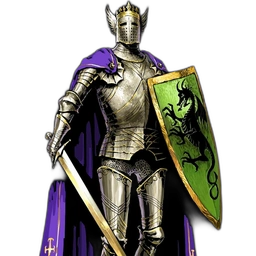 Paladin,
 Alchemist,
 Archer,
 Monk,
 Rogue,
 Mage, and
 Warrior) track independent gold totals, levels, and permanent upgrades, and switching classes never erases your progress.
The Climb runs on asynchronous multiplayer where you face recorded player builds without waiting on turns or matchmaking; see our Dungeonbound Complete Guide for a full mode overview. If you want zero player rival boards during an Unranked Climb, toggle PvE ONLY on the hero selection screen to replace every rival and Jerry fight with tougher monsters while skipping leaderboard scores and build sharing.

How Offline Saves, Cached Rivals, and Jerry Bots Work
In the demo build, the save system writes progress to a local file on disk and pushes updates to Steam Cloud when cloud sync is active. On startup, the demo build also pulls newer cloud copies of your main save, daily run snapshot, run history, and favorite builds. If Steam initialization fails at startup, the demo build runs in a Steam-free state.
In the demo build, floor transitions only snapshot builds to the rival pool during non-daily Climb runs and only fetch daily rivals during a Daily Run, leaving Incremental Campaign dungeon crawls free of rival requests. At the start of a Single Player Climb in the demo build, the game prefetches rival builds for floors 1 through 8 and stores them in a local cache file on disk. Non-daily Climb runs read from that local rival cache, whereas the Daily Run bypasses the Climb cache. When the build server cannot be reached in the demo build, outgoing Single Player Climb snapshots wait in a local outbox on disk. Whenever a Climb or Daily Run floor has fewer player rival boards than needed, the demo build generates local bot builds to fill the slot. In the demo build, these simulated rivals are called Jerrys; see Dungeonbound How Rivals and PvP Work for more on rival encounters.

Features That Require an Online Connection
The table below compares single-player modes, co-op lobbies, and leaderboard panels:
| Feature or Mode | Offline Access | How It Works (Demo Build & Steam) |
|---|---|---|
| Incremental Campaign (The Long Haul) | Playable offline | Dungeon crawls make no rival or leaderboard requests; local saves sync with Steam Cloud when Steam is active |
| Single Player Climb | Playable offline | Demo build caches prefetched floor 1–8 rivals, fills missing slots with simulated Jerrys (or monsters in Unranked PvE Only), and queues snapshots in a local outbox |
| Daily Run | Playable offline (local score) | Demo build skips the Climb prefetch cache and snapshot outbox, fetches unranked rivals per floor or generates Jerrys, and saves your personal best locally |
| Co-op Climb (2 to 4 players) | Steam lobbies required | Steam lobbies for 2 to 4 teammates featuring item gifting, dice loot rolls, and a shared heart pool |
| Global Leaderboards & Server Panels | Online required | Steam leaderboards need Steam running, while the Your Climbs panel fetches recorded climb stats from the stats server |
The Co-op Climb supports teams of 2 to 4 players; compare mode rules in our Dungeonbound Game Modes Guide and team mechanics in our Dungeonbound Co-op Guide. In the demo build, Co-op runs on Steam lobbies and requires Steam to be running to host or join. Global Steam leaderboards also need Steam online, though your personal best daily score is still kept locally on disk. Finally, in the demo build, the Your Climbs panel requests your recorded climb stats from the server when opened. When that stats server cannot be reached, the panel displays an error message.
Sources
- Steam store page
- Dungeonbound demo build game files